Serving Residential and Commercial Properties throughout NYC and Surrounding Areas
Since 1977
Serving Residential and Commercial Properties throughout NYC and Surrounding Areas
Since 1977
About Us
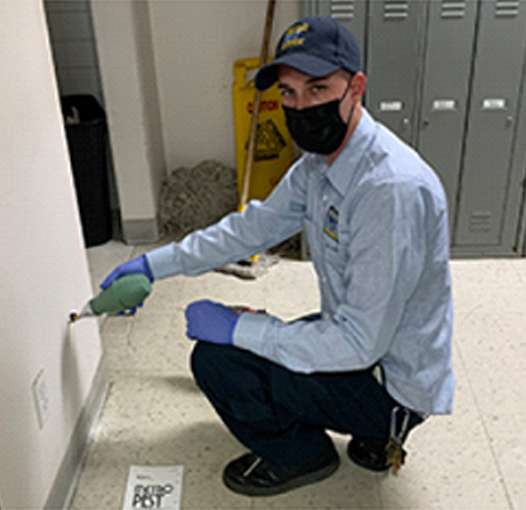
Established in 1977, Metro Pest Control located in Queens, NY provides comprehensive exterminator services throughout New York City. Our focus has always been to bring proven cutting edge pest control services to our clients throughout NYC, the Bronx, Brooklyn, Queens, Nassau County, and Westchester. Most of our team has been with us for over 10 years and some for over 25 years.
Words from our customers

Had a bedbug scare, and they were compassionate and helpful each time I called with any concerns.

Had a young gentleman named Jubriel come in & assist with a roach problem in our kitchen this morning, his expertise & knowledge to fight these little demons was greatly appreciated and look forward to working with Metro Pest Control in the future.

Had a horrid wasp problem. Metro pest came in and cleaned it right up!
Contact our pest control Experts
Beds bugs can make it nearly impossible to get a good night’s sleep and make your life miserable. When it comes to getting rid of bedbugs, one question that most people ask is, “How can...
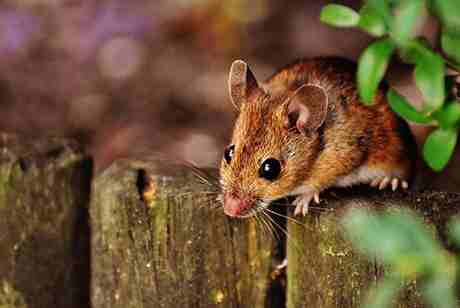
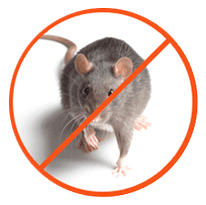
Mice are, no doubt, a menace to the house. It is very important to remove rodents from your home or business. Mice are known to cause illnesses and spread disease. They create an unsanitary environment that will attract other pests as well.
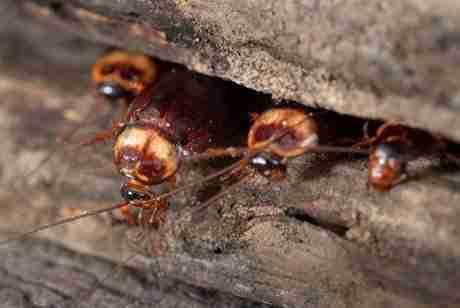
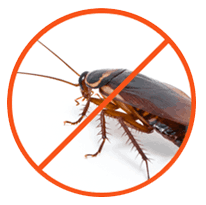
Cockroaches are considered to be one of the most common household pests in the world. They are not only disgusting to look at but also bring in a haven of diseases. On average, roaches can range anywhere from one-half to 3 inches long.
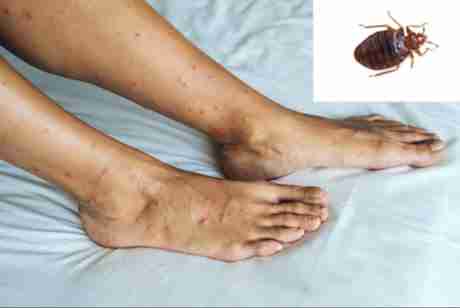
Most homes are inhabited by some unwanted insects and pests. Just as we need food, water, and air to survive, insects also need certain components from our homes to survive and reproduce. One such insect is the bed bug. Bedbugs are small...
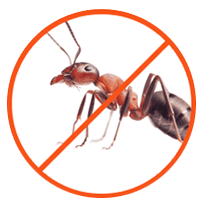
Ants pose a great threat to households as they multiply in no time. Some ants are not dangerous but very destructive and irritating. Leftover food and dirt attract ants. Normal cleaning and over the counter sprays rarely keep ants from entering your home.
Do you have an ant infestation and looking for ant control treatments? Ants are annoying, destructive, and some species can be very dangerous to our homes and businesses. Carpenter ants are known to damage wood and cause structural damage.
Rodents are one of the most common pests found in any household in New York. Studies prove that they are one of the most troublesome and thus economically important pests in New York. They live and thrive under a variety of conditions in and...
A cockroach is among the most common pests in many households, infesting homes and apartments. They create an unsanitary environment that may have a negative impact...
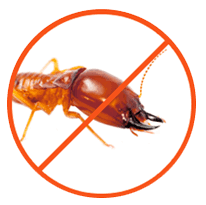
Every spring insects begin to invade our environment. They are a vital part of our eco-system. However, some insects are more destructive than others and need to be dealt with quickly. Termites may be at the top of our list of destructive insects...
Rodents are dangerous miscreants in any household. They pose a significant threat when it comes to our health and safety. Be it in the kitchen, attic, basement, or any room in our house, rodent sightings can incite surprise and fear in even the most composed...
Established in 1977, Metro Pest Control located in Queens, NY provides comprehensive exterminator services throughout New York City.


Copyright 2021 Metro Pest Control. All Right Reserves