Serving Residential and Commercial Properties throughout NYC and Surrounding Areas
Since 1977
Serving Residential and Commercial Properties throughout NYC and Surrounding Areas
Since 1977
A pest infestation can affect any household or commercial space with an intensity that can create havoc and cause damage to a great extent. Residents can suffer from losses as well as poor health which can lead to a lot of mental trauma. Many types of pest infestations can happen in a residential or commercial space and rodent infestation is one such infestation. A rodent infestation occurs when rats or mice invade homes or businesses, seeking food, shelter, and warmth. Rodents can spread diseases, contaminate food, and cause structural damage. Prompt action is essential to prevent health risks and property damage. Professional pest control services can effectively eliminate the infestation and provide measures to prevent future rodent problems, ensuring a safe and hygienic environment.
There are several types of rodents commonly found in various environments:

Small, agile rodents typically found in fields and rural areas. They have a light brown coat and a long tail.

A common domestic pest, known for its small size, pointed nose, and grey-brown fur.

Recognizable by their bi-colored fur, white underbelly, and large eyes, often found in rural and semi-rural areas.

Larger rodents with brown fur and a stocky build, known for being a common urban pest.

Slender, agile rodents with black fur, known for nesting in high places like attics and roofs.
Rodents often chew on wood, plastic, and wires, leaving behind visible teeth marks and shredded materials.
Small, dark pellets scattered along rodent pathways, in cupboards, and near food sources indicate their presence.
Shredded paper, fabric, and plant matter piled up in hidden corners or burrowed into insulation suggest nesting.
Dusty or muddy areas may reveal tiny footprints and tail drag marks, especially near entry points and feeding areas.
Oily smudges along walls and baseboards, created by rodents’ fur, mark their habitual pathways and entry points.
Scratching, scampering noises at night, along with a strong, musky odor, often signify an active rodent infestation.
We perform a thorough inspection of your home or business facility carefully looking for any openings that may allow rodents to enter garages, walls, ceilings, pipe openings etc… Small rodents can enter your home or business through very small openings. These openings will need to be sealed to prevent future rodent infestations. All food and water sources need to be inspected for contamination and the presence of rodents.
Our rodent removal process is determined by the type of infestation you have.
Depending on the number of rodents you have, what type of building you’re in and how much space you have, we will customize what type of service we use to get rid of your rodent problem in the most effective manner.
Thoroughly assess the property to identify rodent entry points and nesting areas.
Seal cracks, gaps, and holes to prevent rodents from entering.
Remove food sources, secure garbage, and maintain cleanliness to deter rodents.
Use humane traps to capture and remove rodents safely.
Apply natural or ultrasonic repellents to discourage rodents.
Place tamper-resistant bait stations in strategic locations for targeted rodent control.
Trim vegetation, remove debris, and clear clutter around the property to reduce rodent harborage.
Regularly inspect and maintain treatment methods to ensure long-term effectiveness.
Provide property owners with tips and guidance on preventing future infestations.
Rodent Removal Brooklyn | Rodent Removal NYC | Rodent Removal Nassau County | Rodent Removal Queens County | Rodent Removal Manhattan | Rodent Removal Bronx | Rodent Removal Jamaica
Q1. What's the difference between mice and rats?
Ans: Mice and rats differ mainly in size and appearance. Mice are smaller, with slender bodies, pointed noses, and large ears. They have fine, light-colored fur and long, thin tails. Rats are larger, with robust bodies, blunt noses, and smaller ears relative to their size. They often have coarser fur and thicker tails. Behaviorally, rats are more cautious, while mice are curious.
Q2. Are rats dangerous?
Ans: Yes, rats can be dangerous. They can spread diseases such as leptospirosis, hantavirus, and salmonella through their urine, droppings, and bites. Rats can also cause structural damage by gnawing on wires, insulation, and wood, posing fire hazards. Additionally, their presence can contaminate food and surfaces, risking human health.
Q3. How can we get rid of rodents without poison or traps?
Ans: A professional rodent removal company like Metro Pest Control uses humane methods to eliminate rodents without poison or traps. These methods include sealing entry points, using ultrasonic repellents, and applying many advanced techniques. We provide trusted rodent removal services to effectively remove rodents while preventing future infestations, ensuring a safe and humane solution.
Q4. How much does an exterminator cost for rodents?
Ans: The cost of hiring an exterminator for rodent removal varies depending on the infestation's severity, the property's size, and the location. On average, prices can range from $150 to $500 for initial treatments. More extensive or ongoing infestations may require additional visits, potentially increasing the overall cost.

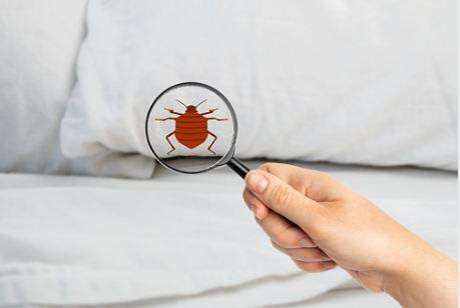
Beds bugs can make it nearly impossible to get a good night’s sleep and make your life miserable. When it comes to getting rid of bedbugs, one question that most people ask is, “How can...
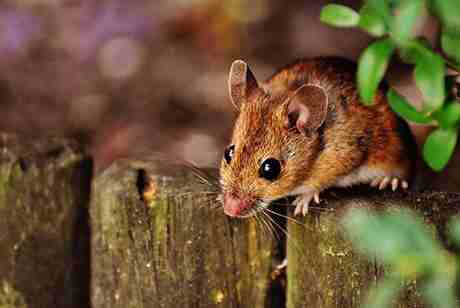
Mice are, no doubt, a menace to the house. It is very important to remove rodents from your home or business. Mice are known to cause illnesses and spread disease. They create an unsanitary environment that will attract other pests as well.
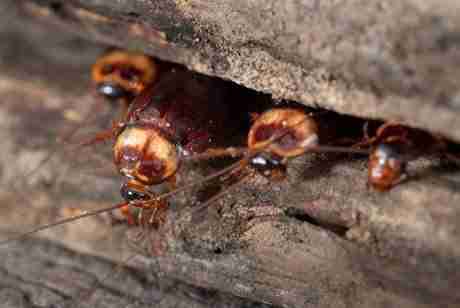
Cockroaches are considered to be one of the most common household pests in the world. They are not only disgusting to look at but also bring in a haven of diseases. On average, roaches can range anywhere from one-half to 3 inches long.
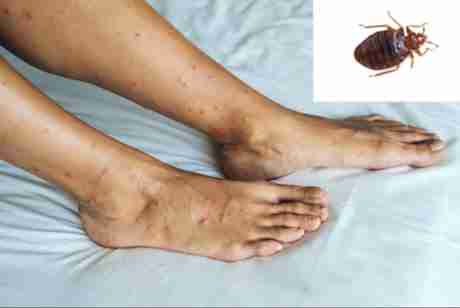
Most homes are inhabited by some unwanted insects and pests. Just as we need food, water, and air to survive, insects also need certain components from our homes to survive and reproduce. One such insect is the bed bug. Bedbugs are small...
Ants pose a great threat to households as they multiply in no time. Some ants are not dangerous but very destructive and irritating. Leftover food and dirt attract ants. Normal cleaning and over the counter sprays rarely keep ants from entering your home.

Do you have an ant infestation and looking for ant control treatments? Ants are annoying, destructive, and some species can be very dangerous to our homes and businesses. Carpenter ants are known to damage wood and cause structural damage.
Rodents are one of the most common pests found in any household in New York. Studies prove that they are one of the most troublesome and thus economically important pests in New York. They live and thrive under a variety of conditions in and...
A cockroach is among the most common pests in many households, infesting homes and apartments. They create an unsanitary environment that may have a negative impact...
Every spring insects begin to invade our environment. They are a vital part of our eco-system. However, some insects are more destructive than others and need to be dealt with quickly. Termites may be at the top of our list of destructive insects...
Rodents are dangerous miscreants in any household. They pose a significant threat when it comes to our health and safety. Be it in the kitchen, attic, basement, or any room in our house, rodent sightings can incite surprise and fear in even the most composed...
Established in 1977, Metro Pest Control located in Queens, NY provides comprehensive exterminator services throughout New York City.


Copyright 2025 Metro Pest Control. All Right Reserves
