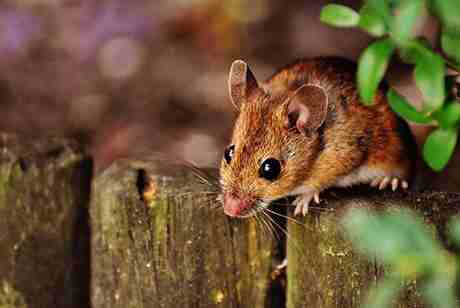

People in Flushing live around nature and enjoy the perks attached with it. But we also face many infestation problems associated with living close to nature. There are many animals that constitute wildlife infestation, like squirrels, raccoons, bats, and rodents. These animals invade human homes and properties in search of food and shelter and create unnecessary havoc and cause structural damage. They also pose health risks through droppings and parasites. Thus, in case of any wildlife infestation, you should contact a professional wildlife removal company and do the needful.
Types of Wildlife We Remove in Flushing, NY
Opossum:
Opossums are nocturnal marsupials who can be distinctively recognised through their white face and gray body. They are often found near garbage and garden areas in search of food and become a nuisance if they invade home.Raccoons:
Raccoons are wildlife animals that can be easily sited for their black fur and dexterous front paws. They not only damage properties and can also pose health risks through spreading diseases and thus makes professional removal important.Squirrels:
Squirrels are fun to watch for their quirky nature and features but they are capable of creating havoc in residential properties. They can chew wires, insulation and wood, leading to fire hazards. Thus, their infestation needs to be dealt with by a professional pest removing company.
Signs of Wildlife Infestation
Every infestation leaves some visible signs for dwellers to take notice of. So keep a note of some of the obvious signs of a wildlife infestation and keep a check before the situation is aggravated. Some signs are:
Damaged Structures:
You will see chewed wires, wood or damaged vents or screens that will state signals of an animal entry.Unpleasant Odors:
Strong smells from droppings, urine, or deceased animals.Nesting Materials:
Every animal enters the house in search of food and shelter. And they will then try to build a nest for themselves, due to which you will find piles of leaves, twigs or debris in attic or wall cracks.Tracks:
Footprints or paw prints near entry points or along walls.
Process of Wildlife Removal
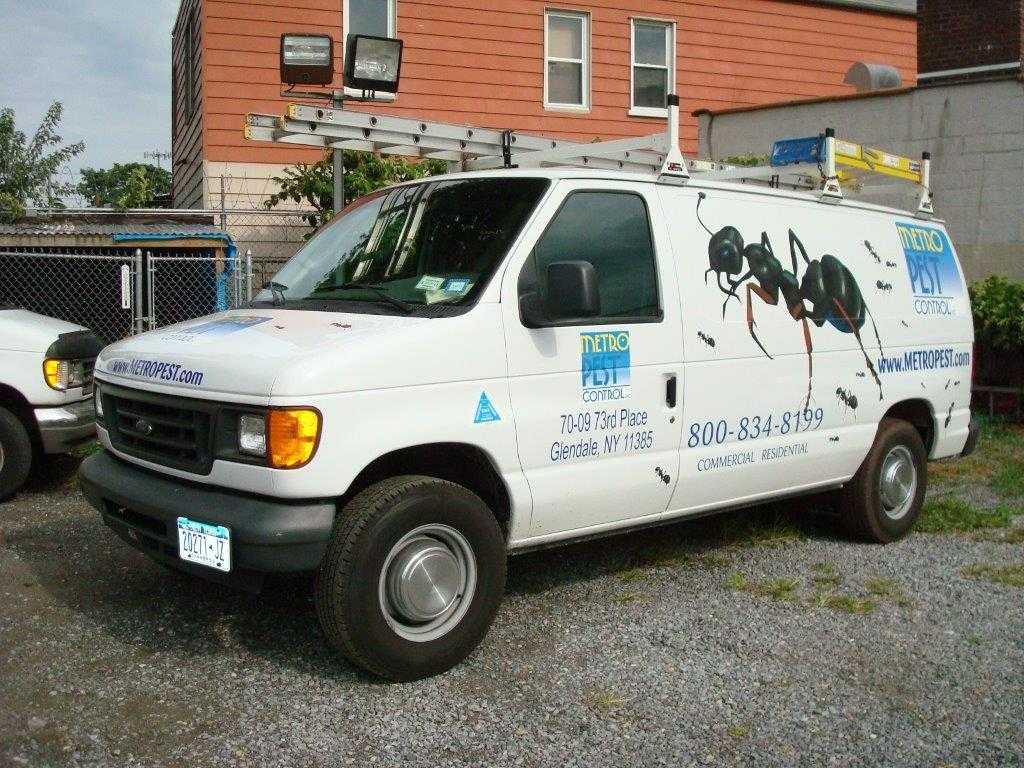
Metro Pest Control is a trusted name when it comes to pest removal services in Flushing. We follow a simple and safe process to remove the wildlife infestation from homes and properties and keep in sync with the local regulations. The steps involved in our process are:
Thorough Inspection:
We inspect the complete area and look for visible signs of an infestation and assess the extent of it.Trapping Techniques:
With our humane techniques and trapping methods we relocate the wild ones from the property without any harm.Seal Entry Points:
Once the wildlife is removed, we seal the entry points to prevent future infestations and repair any damage caused by them.Preventive Measures: This is to ensure that your property is safe from any future infestation. We choose sustainable techniques to give our clients the best wildlife control services.
Why Choose Us for Wildlife Removal Services in Flushing?
You can choose us for wildlife removal services in Flushing for our bespoke service and rusted customer services. Check out our services for more details.
- Cost Effective
- 100% Satisfaction
- Licenced and Insured
- Quality Services
FAQs
Q1. What are the costs associated with wildlife removal in Flushing?
Ans: The costs of wildlife removal in Flushing depends on factors like the type of animal, infestation severity, and property size. Additional fees may apply for repairs, sealing entry points, or preventative measures. It's best to request a quote from local wildlife removal services for an accurate estimate.
Q2. How long does the wildlife removal process take?
Ans: The wildlife removal process typically takes a few days to a week, depending on the type and number of animals, the extent of the infestation, and the removal methods used. After trapping or exclusion, professionals will seal entry points and implement preventive measures to ensure long-term solutions, completing the process efficiently.
Q3. How can I reduce the risk of wildlife entering my home?
Ans: To reduce the risk of wildlife entering your home, seal potential entry points such as cracks, vents, and gaps in roofing or siding. Install chimney caps and repair damaged screens. Keep trash securely covered and remove food sources like pet food or bird feeders. Trim tree branches near your home and maintain a clean yard to deter animals from nesting nearby.
Q4. Are there long-term solutions to keep wildlife from coming back?
Ans: Yes, long-term solutions to keep wildlife from returning include sealing entry points, such as vents, cracks, and gaps in walls or roofing. Installing chimney caps, repairing damaged screens, and using wildlife-proof barriers also help. Regular yard maintenance, securing trash bins, and removing food sources further reduce the chances of wildlife re-entry.